
Pinching a Set of Rustic Stoneware Mugs
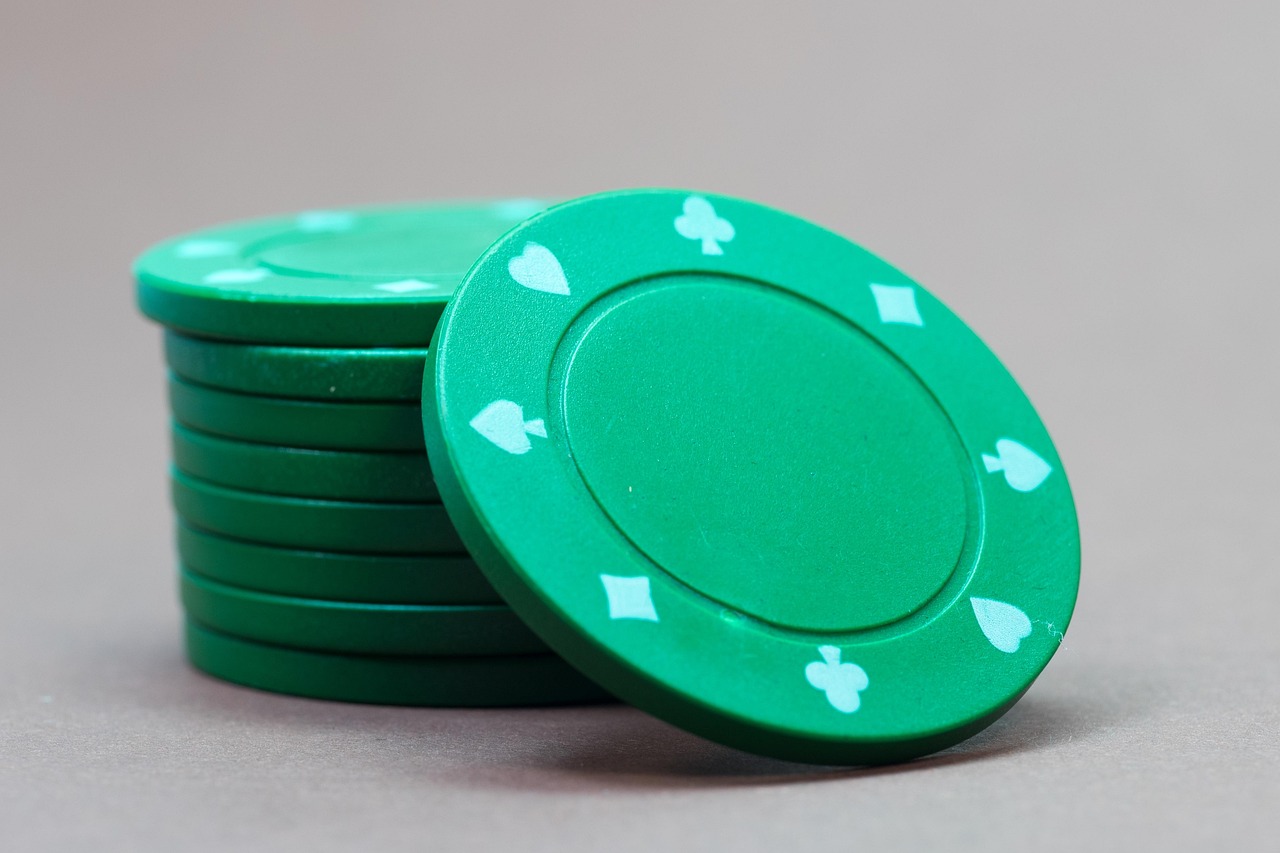
Most people who open a casino account for the first time do the same thing: they deposit, click the shiniest bonus banner, and start spinning. A week later they're confused about why a 96% RTP slot drained their balance while a friend doubled up on video poker in twenty minutes. The difference isn't luck. It's understanding a handful of mechanics that the industry deliberately keeps in the background. This guide is about those mechanics.
The House Edge Isn't a Conspiracy — It's a Business Model
Every game in a regulated casino carries a built-in mathematical advantage for the operator. That's not a dirty secret; it's the only way the business exists. What matters for you is how big that edge is, because the gap between games is enormous.
- Blackjack with basic strategy and favorable rules: around 0.5% house edge.
- Baccarat banker bet: roughly 1.06%.
- European roulette: 2.7%. American roulette: 5.26%.
- Video poker (Jacks or Better, full pay): about 0.46% with perfect play.
- Three-reel slots: typically 2% to 8%.
- Modern video slots: often 4% to 12%.
- Keno: frequently 20% to 35%.
If you play the lottery-style games, you're paying 30 or 40 times more per bet than a disciplined blackjack player. That doesn't mean slots are bad. It means slots are entertainment priced like a premium experience, and you should treat them that way rather than as an income plan.
RTP, Volatility, and Why Your 96% Slot Feels Like 70%
Return to Player (RTP) is calculated over millions of spins, not your session. A slot with 96% RTP is designed to pay back $96 for every $100 wagered across the entire lifetime of the game. In a 500-spin session, your actual return is dominated by variance, not the average. สล็อต covers this in more detail.
Volatility matters just as much. High-volatility slots like Dead or Alive 2 or Money Train series games can go 300 spins without a meaningful hit, then pay 800x. Low-volatility slots like many classic Novomatic titles pay small amounts constantly. Neither is better — they suit different bankrolls and temperaments.
A practical rule for bankroll sizing
For high-volatility slots, your session bankroll should be at least 200 to 300 times your bet size. If you're spinning at $1 per spin on a volatile slot, bring $250 to $300 and expect the possibility of losing all of it. On a low-volatility slot, 50 to 100x is often enough to see some play. Budget accordingly, not hopefully.
Poker Is the Only Game Where You Play Against People
Here's the key distinction everyone should internalize: slots, roulette, and baccarat are games against a fixed mathematical system. Poker is a game against other humans, and the house simply takes a rake. That changes everything.
Study time in poker converts directly into money. If you're a winning player, you're extracting from weak opponents. If you're losing, in most cases you're one of the weak opponents. The rake is typically 5% capped around $3 at low-stakes cash tables, or 10% in tournaments — meaningful but beatable.
A few habits that reliably separate winners from donors:
- Play tight from early position. Random suited connectors are traps.
- Track your results honestly across at least 20,000 hands before judging your skill.
- Study ranges, not results. One bad session proves nothing; 10,000 hands shows your leak.
- Move down when you lose 10 buy-ins. Ego costs more than rake.
If you're not willing to put in studying hours, sports betting or slots offer comparable entertainment with less required skill — just be honest with yourself about which game you're playing.
Bonuses: The Terms Matter More Than the Number
A 200% match sounds better than a 100% match until you read the terms. The critical details are always the wagering requirement, game weighting, maximum bet, and time limit.
- Wagering: "40x" on a $100 bonus means you must bet $4,000 before withdrawing anything. On slots at 4% house edge, that's an expected cost of ~$160.
- Game weighting: Slots typically count 100%, but roulette often counts 10% to 20%, and blackjack 0% to 10%. That means 40x suddenly becomes 200x or 400x effective.
- Max bet: Many bonuses cap each bet at $5 or $10. Break it and your entire balance can be voided.
- Time limit: 7 to 30 days is typical. Extensions cost you.
A useful shortcut: multiply wagering by the house edge of the game you'll actually play. If the expected loss exceeds the bonus, the offer is closer to marketing than mathematics.
Sports Betting and the Data Revolution
Sportsbooks typically run on a 4% to 7% margin built into the odds (the "vig" or "juice"). Smart bettors exploit line shopping: the same game can differ by 3% to 5% across books. On a $500 weekly volume, that's real money over a season.
Closing Line Value (CLV) is the single most predictive metric of long-term betting success. If you consistently beat the closing line by 2% or more, you're beating the market regardless of short-term results. If you're consistently getting a worse number than the close, no bankroll strategy will save you.
Live betting and same-game parlays are the highest-margin products sportsbooks push, sometimes with edges over 15%. They're fun, but they're marketed so heavily for a reason.
What Actually Keeps Players Safe
Three things separate recreational gamblers who enjoy the hobby for decades from people who burn out in months: volume control, session limits, and licensing checks.
Licensed operators (UKGC, MGA, and increasingly US state regulators) are required to offer deposit limits, session timers, and self-exclusion tools. Use them. Set limits before your first deposit, not after your third losing session. A $200 weekly deposit cap doesn't feel restrictive when you're winning; it's a lifeline when you're not.
Avoid unlicensed offshore operators. No RTP audits, no dispute mechanism, and no guarantee your withdrawal arrives at all. The extra 2% bonus you get there is worth far less than the money you may never see again.
Finally, treat your gambling budget the way you'd treat a night out: money you've already mentally spent. If losing it would change your life, it's too much. The house edge only works against you when you keep exposing money that matters to it. Keep the stake small, the game understood, and the exit clear — and both the slots and the tables become what they should be: an overpriced, occasionally thrilling evening, not a strategy for getting ahead.
LEAVE A COMMENT